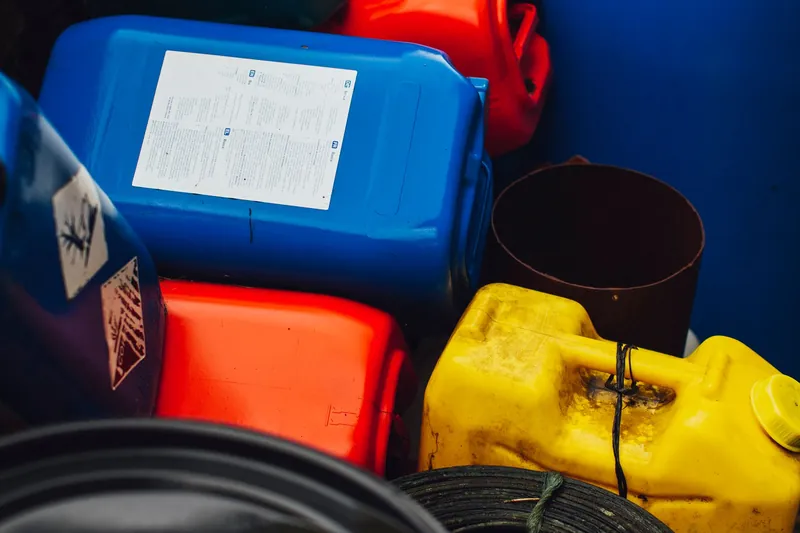
Chemical and Toxic Waste Cleanup
Safe disposal is included with chemical and toxic waste cleanup.
See chemical and toxic waste cleanupGet hazardous materials, chemical residue and contaminated items assessed and cleaned in Fruit Belt. The hazard is identified first so containment, protective equipment, cleaning and waste disposal fit the material.
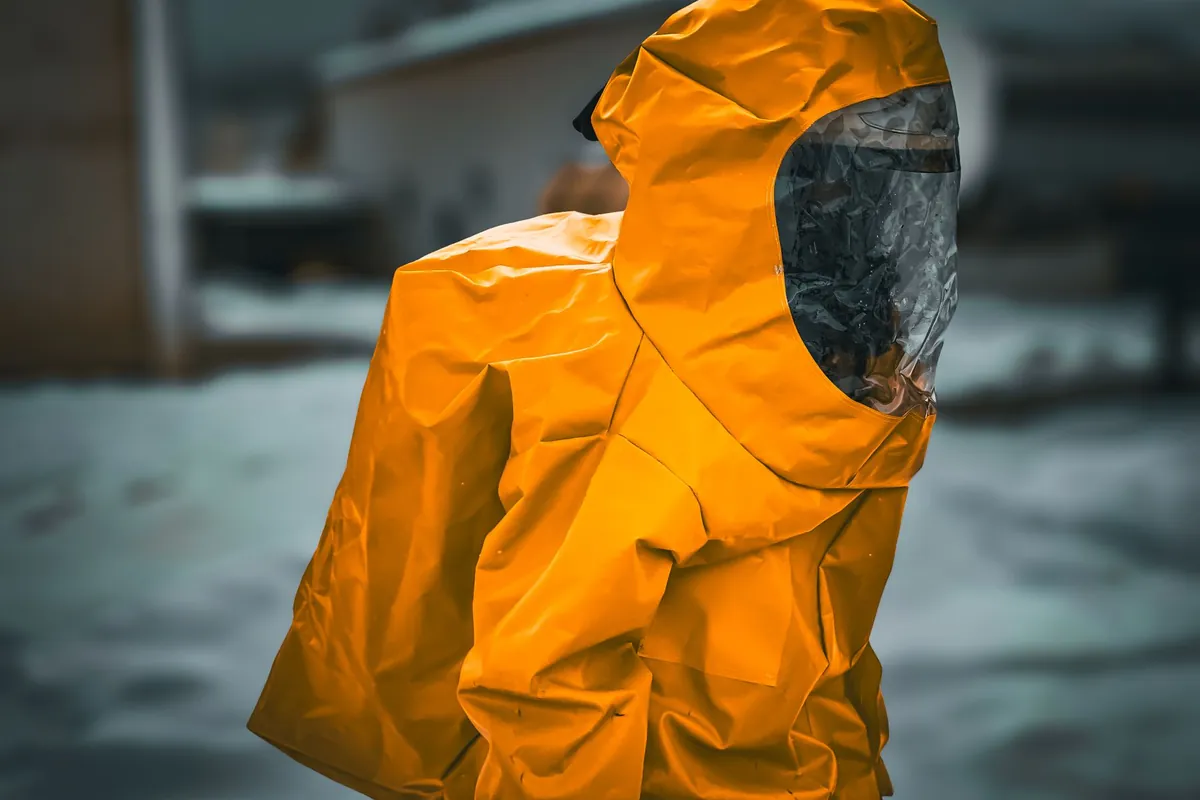
Controlled treatment or removal of dangerous substances is known as hazmat cleanup. It addresses materials capable of harming people, property or the environment by contact, inhalation, fire, chemical reaction or contamination.
The work may involve a chemical spill, unknown powder, fuel residue, corrosive material, toxic waste or a biological hazard. Biological hazards such as blood and bodily fluids can carry bloodborne pathogens. Chemical hazards may burn, poison, react or release harmful vapor. Because those risks differ, a hazmat cleaner should not treat every substance with the same product or process.
Information comes first in the cleanup. Identification may rely on the container, its product label, a Safety Data Sheet, an incident report or testing. Next, access to both the affected space and nearby spaces is controlled. Technicians choose substance-appropriate gear, absorbents, tools and containers. Materials that can safely be cleaned remain, while those that cannot are taken out and sent through the proper waste disposal route.
The explanation covers confirmed details, unanswered identification questions and planned work for the affected area, helping you decide how to move forward.
Daytime and nighttime calls are answered. Cleanup crews use unmarked vehicles. You do not have to discuss what happened with visitors or neighbors.
Cleanable belongings are separated from items that absorbed contamination. If safe handling is possible, crews discuss your valuable or meaningful property with you.
Photos, work plans, waste records and inventories of discarded material may support your answers to property managers or insurance companies.
Normal cleaning is not appropriate if it could spread a hazardous substance or put you in contact with it. Hazmat cleaning may be needed in situations such as:
When a spill from a passenger area, trunk or cargo space reaches carpeting, trim or ventilation spaces, careful removal is needed.
A managed building, shop, workplace or warehouse may need the area contained and cleaned under controlled conditions, with records kept for the owner or insurance company.
Biological material such as bodily fluids, blood or sharps needs a plan distinct from chemical-residue work, with precautions for bloodborne pathogens.
If your workshop, storage area, garage or basement contains chemical spills, unknown substances or mixed containers, do not treat them as routine house cleaning.
Avoiding contact and preventing the substance from traveling are your first priorities. Before cleanup professionals begin:
Call (888) 440-9227For small to mid-size spaces, hazmat cleanup ranges between $4,000 and $40,000 per job. One and Done Prep is the source. Its Hazmat Cleaning Cost guide puts initial containment and cleanup at $6 per square foot up to $20 per square foot. The substance involved, affected square footage, waste disposal, containment, inspections and permits can cause costs to vary greatly. A site assessment must occur before a final price is determined.
The figures shown are national ranges from published cost guides and are not based on an on-site visit. An on-site assessment determines your property's price, which is explained to you before the cleanup starts.
Ask about cost: (888) 440-9227Insurance coverage for hazmat cleanup depends first on whether the policy covers its cause. Payment may then be affected by the deductible, limits and exclusions for contamination.
Report both the source and location of the contamination to the insurance company. Find out whether coverage includes cleaning, damaged items, waste disposal and necessary repairs.
When circumstances permit, contact the adjuster about required information before cleanup starts. A scope, photos, removed-item list and waste records can help explain the claim.
Responsibility for scheduling and payment may be determined by local rules, policy terms, the lease and what caused the incident. Do not agree that you are responsible until the documentation and circumstances have been examined.
Business and property owners should retain incident notes, an inventory, records from the cleanup service and photographs of the affected area captured safely.
The exact cleaning process changes with the material, but professional cleanup follows a controlled order. Every step should keep contamination inside the affected areas and protect clean spaces.
Available labels, Safety Data Sheets and incident details are reviewed. Before cleaning starts, crews document the affected area, exposed surfaces and possible spread routes.
The cleanup space is isolated from people and unaffected parts of the property. Openings and travel paths are controlled when the material could move beyond the original spot.
Gloves, clothing, eye protection and respiratory protection are selected for the known hazard and the work being done, not from a one-size-fits-all kit.
Crews stop the source only if doing so is safe. Compatible absorbents, containers or other controls keep the material from spreading further.
For surfaces and equipment that can be cleaned, the chosen process must fit the contaminating material. Biological residue is treated with an EPA-registered disinfectant for the full label contact time.
Crews document and package porous or damaged contents when decontamination cannot be completed safely. You help evaluate personal property before disposal whenever conditions make that safe.
Once the substance is known, waste goes into sealed containers compatible with it and follows the required disposal route. Cleanup paperwork can support insurance or property files.
Crews inspect the treated area according to the planned scope. The final information identifies removed items, cleaned areas and any repairs or restoration services still needed.
Call any hour. Your hazmat cleanup specialist answers the phone, describes what happens next and works with you on a start time.
Hazardous substances pose serious health dangers if inhaled, swallowed, contacted by skin or introduced by puncture. The wrong product may react with the material or spread contamination.
A substance can spread through vehicle interiors and enter cracks in floors, spaces behind baseboards or areas below shelving. Residue can be left in place if you clean only the apparent spill.
A liquid, dust or vapor may affect skin, eyes or breathing. Choosing appropriate protective equipment requires knowing the substance, how concentrated it is and the possible route of exposure.
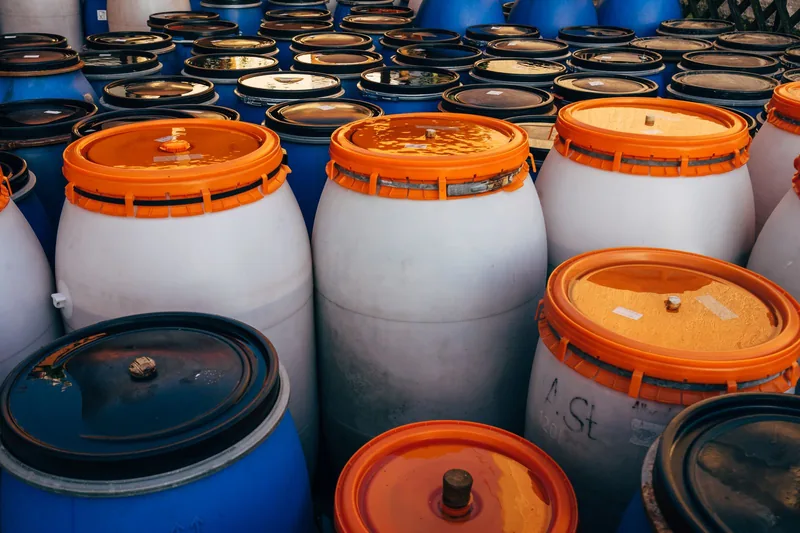
Discarded protective gear, affected contents, absorbent materials and water from cleaning may need controlled disposal according to the substance involved.
Can you clean it yourself? A small spill is not automatically safe. Use directions from the Safety Data Sheet and product label only when you know the substance, have a controlled release and see that the guidance applies clearly. Leave an unknown, reactive, highly toxic or spreading substance alone and seek emergency response when there is an immediate danger.
The material and the surface decide what can stay. A sealed, compatible surface may be cleaned, while a porous item that absorbed hazardous residue may need removal.
Federal rule 29 CFR 1910.1030 requires training, protective equipment and work practices when employees could encounter blood or material that is potentially infectious.
When the hazard is biological, the disinfectant should be registered by the EPA and stay wet for the full contact time on its label. A chemical cannot automatically be made safe by applying disinfectant.
New York treats blood-soaked materials from a biohazard scene as regulated medical waste. Rules from the Department of Environmental Conservation and the Department of Health control how it is packed, moved and treated, so it cannot go in household trash.
Local health and building rules can affect how a contaminated room is cleaned and when it can be used again, so mention any notice you have received from the city or county.
There is no safe fixed timeline for hazmat cleaning until the material, affected area and disposal needs are known. Work may also wait for an active hazard to be controlled or for required testing, permits or inspections.
The full hazmat cleanup guide covers what is cleaned or removed, odor and air quality work, and the rules that apply in your state.
Read the full hazmat cleanup guideContainment, entry and cleanup plans can be influenced by local housing, population and access details.
The approximately 3.0 mile trip to Sisters of Charity Hospital matters when an injury must be assessed before anyone returns to the affected space.
With Theatre District, Allentown, and West Village close by, accurate street and unit details help avoid confusion during a sensitive response.
A cleanup plan for this neighborhood should account for adjacent homes or units when setting odor control and containment boundaries.
Ask on the call about cleanup options for neighboring communities and ZIP codes.
Safe disposal is included with chemical and toxic waste cleanup.
See chemical and toxic waste cleanup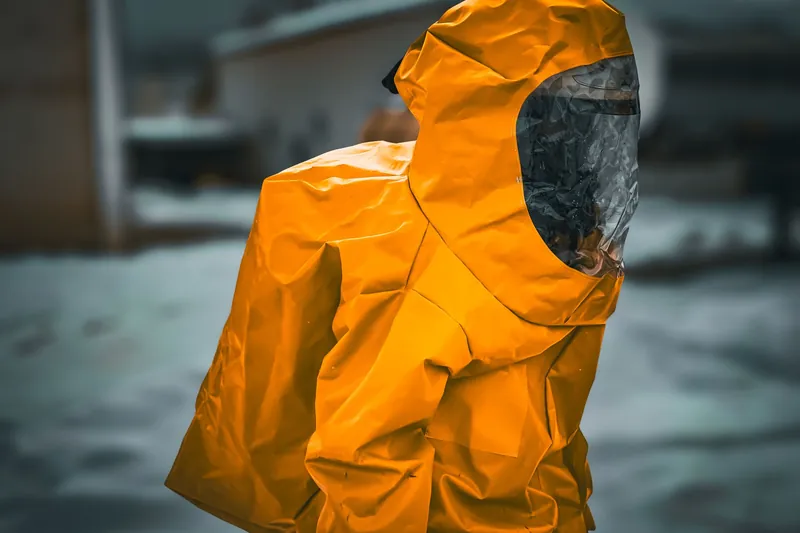
Cleanup removes infectious material, including blood and body fluids, and disinfects the property.
See biohazard cleanup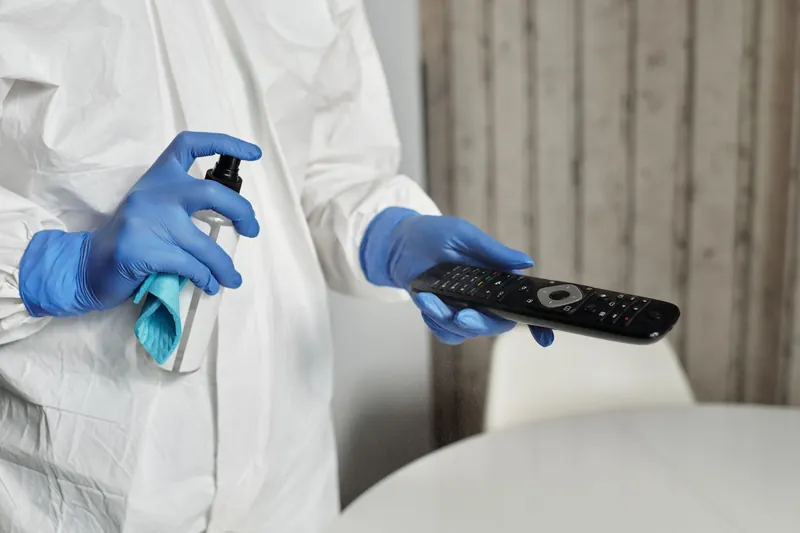
A contaminated space is restored to safe use through biological remediation and contaminant removal.
See biohazard remediation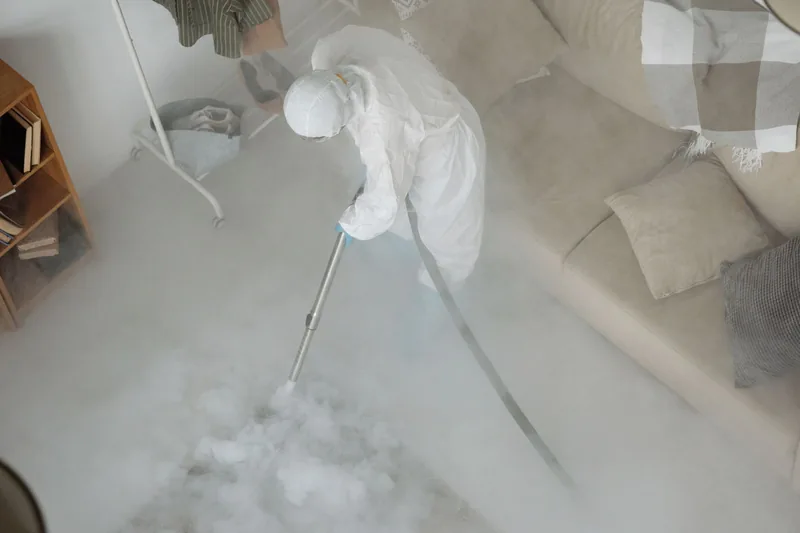
Complete decontamination treats the room, its surfaces and the air after a hazardous or infectious exposure.
See biohazard decontamination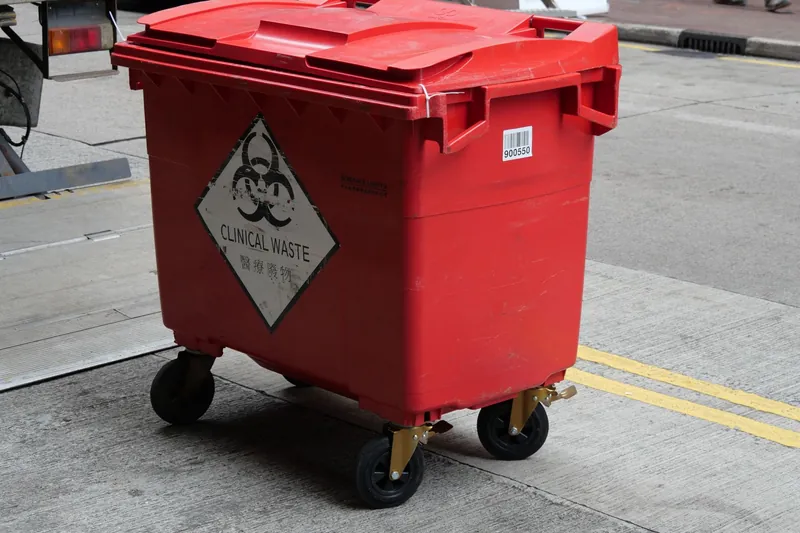
After medical waste removal, disposal takes place through approved treatment facilities.
See medical waste removal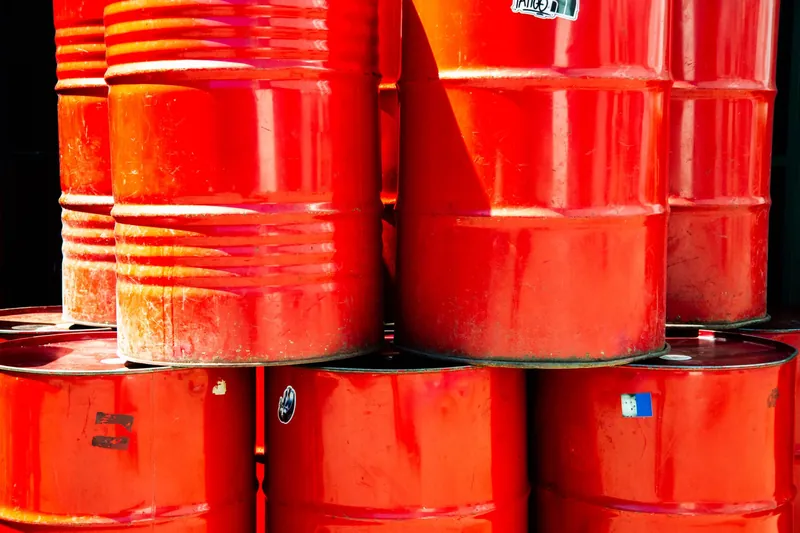
Biohazard waste pickup and disposal in sealed, labeled containers.
See biohazard waste disposal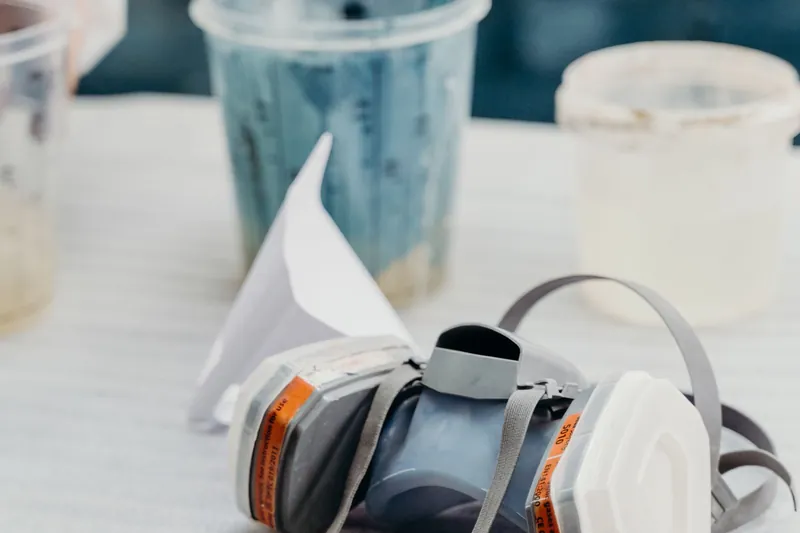
Residue tests, decontamination and clearance procedures are all part of meth lab cleanup.
See meth lab cleanup
After fentanyl exposure, decontamination addresses rooms, vehicles and other surfaces.
See fentanyl decontaminationSpraying a disinfecting product alone does not complete the work. The cleanup scope guides a final area check after removal and cleaning are complete and the full disinfectant contact time has passed. Crews need to seal the waste, take it from the site and follow the appropriate disposal route. Records should show what was cleaned, what was removed and whether repairs remain.
The Hazmat Cleaning Cost guide published by One and Done Prep puts jobs covering spaces of small to mid-size scale at $4,000 to $40,000 per job. It gives $6 to $20 per square foot for containment and initial cleanup. The final price reflects inspections, permits, site access, disposal needs, protective equipment, containment, affected area and contaminant.
Coverage is possible, but the cause and your policy's deductible, limits, exclusions and other terms determine whether it applies. Contact your insurance company after emergency safety calls, and explain the cause while leaving the material undisturbed. Ask specifically about contamination cleanup, damaged building materials, personal property, hazardous waste disposal and any testing or restoration needed afterward.
The affected area stays isolated while cleanup technicians select protective gear for the exposure risk. Blood and bodily fluids are removed before surfaces receive an EPA-registered disinfectant for the full label contact time. Crews package contaminated materials that cannot be decontaminated, then direct them to the waste process required by area rules.
Potentially. The answer depends on the contaminant, the tool material, seams, electronics and the manufacturer's cleaning limits. Smooth, compatible equipment may be decontaminated. Damage, porosity or limited access can prevent parts from being decontaminated safely. Wait for the hazard and condition to be evaluated before you move affected equipment or turn it on.
Until the substance and cleanup scope have been established, the duration cannot be estimated safely. A controlled area with an identified material has fewer unknowns than a release involving several rooms, hidden travel or special disposal. Identification, containment, cleaning, removal, waste handling, repairs and any required inspection can each affect when the property is ready.
Crews carry out respectful, discreet hazmat cleanup, arrive in unmarked vehicles and take calls 24 hours a day.